
Repairs That Restore Structural Integrity
Tire Service Repairs in Carthage for punctures, patches, and damage caused by East Texas road debris
Potholes, gravel scatter, and metal debris left on highways and rural routes throughout East Texas cause punctures that strand drivers or lead to slow leaks that reduce fuel economy and increase tread wear. Grave's Tire Service repairs tire damage in Carthage using patch-plug combinations that seal punctures from the inside while filling the hole from the outside, restoring structural integrity rather than applying temporary surface plugs that allow moisture infiltration and eventual steel belt corrosion. The full repair bay handles routine nail punctures as well as complex damage assessment for sidewall impacts and bead leaks, with the team inspecting each tire to determine whether repair is viable or replacement is necessary for safety.
Tire repair begins with removing the tire from the rim to inspect the puncture from the inside, confirming the damage is within the repairable zone—the central three-quarters of the tread area—and does not exceed one-quarter inch in diameter. Sidewall punctures, bead damage, or tread separation cannot be safely repaired because those areas flex constantly during driving and any repair will fail under load, causing sudden air loss at highway speeds.
Schedule a tire inspection to assess puncture damage and determine repair viability before air pressure loss causes additional internal damage.
What You Notice Once Repairs Are Finished
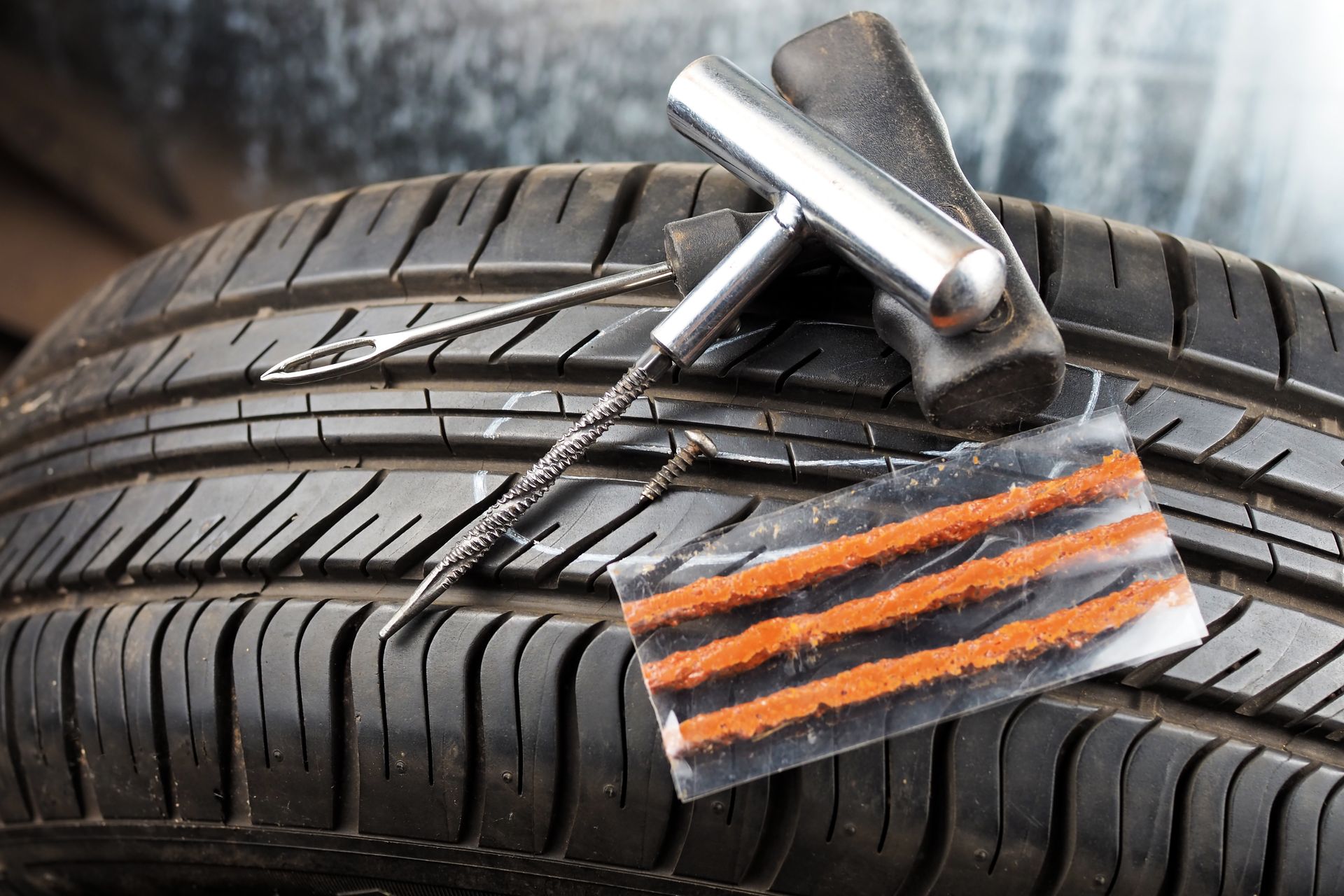
Proper tire repair involves buffing the puncture area inside the tire to create a clean bonding surface, applying a vulcanizing patch that chemically bonds to the rubber under heat, and inserting a plug through the puncture hole to seal the entry point, creating a permanent repair that withstands the same pressure and load as the surrounding tread. After repair, the tire is reinstalled, balanced to eliminate vibration, and inflated to the vehicle manufacturer's specified pressure printed on the door placard.
Once the repair is complete, you will notice the tire holds air pressure consistently over days and weeks, the vehicle tracks straight without pull caused by underinflation on one side, and tread wear resumes evenly across the contact patch. Grave's Tire Service checks for secondary damage during inspection, including belt separation or internal sidewall cracks that indicate the tire was driven flat or underinflated for an extended period, which compromises structural integrity even if the puncture itself is repairable.
Quick turnaround matters for work trucks that cannot afford extended downtime, particularly during harvest seasons or when hauling schedules are tight. Air pressure checks after repair confirm the seal is holding and identify valve stem leaks that often go unnoticed until a tire loses ten to fifteen pounds of pressure and triggers handling changes or dashboard warnings.
Common Questions About This Service
Drivers near Carthage frequently ask about repair methods, costs, and whether specific types of damage can be fixed safely.
What types of tire damage can be repaired?
Punctures in the central tread area up to one-quarter inch in diameter can be repaired using patch-plug combinations, but sidewall damage, bead separation, or tread punctures larger than a quarter require tire replacement because repairs will not hold under driving stress.
How long does a tire repair take?
Most puncture repairs are completed within thirty to forty-five minutes, including removal, interior inspection, patching, reinstallation, and balancing, assuming no additional damage is discovered during the inspection process.
Why do some shops only use plugs instead of patches?
Surface plugs are faster and cheaper but allow moisture to reach steel belts inside the tire, causing rust and eventual separation, while combination patch-plug repairs seal the tire from both sides and prevent long-term deterioration.
How much does tire repair cost compared to replacement?
Repairs typically cost a fraction of new tire prices and are worthwhile when the tire has significant tread remaining and the damage falls within the repairable zone, but worn tires near the end of their service life are better replaced than repaired.
What happens if I drive on a flat tire before getting it repaired in Carthage?
Driving on a deflated tire crushes the internal sidewall structure and causes heat buildup that separates belts from the casing, rendering the tire unrepairable even if the original puncture was small and otherwise fixable.
Grave's Tire Service inspects tire damage thoroughly to distinguish between repairable punctures and structural failures that require replacement, providing clear recommendations based on safety rather than simply selling the most expensive option. Bring your vehicle in for a damage assessment and air pressure check whenever you notice handling changes or dashboard pressure warnings.