
New Tires Selected and Installed Correctly
New tire installation in Carthage for passenger vehicles, trucks, and SUVs requiring a properly matched and mounted replacement set
A worn set of tires does not fail all at once—it gives up grip, handling response, and wet-surface braking gradually until the vehicle is operating well below what its brakes and suspension were designed to support. Grave's Tire Service provides new tire installation in Carthage, starting with tire selection that matches the vehicle's load requirements, speed rating, and the type of driving the owner actually does, then completing the installation with correct mounting, inflation, and a final safety check before the vehicle leaves.
The selection process involves matching the tire's size to the manufacturer's specification for the vehicle, but also considering load index and speed rating—two values that are often overlooked when buyers focus only on price. Installing a tire with a lower load index than the vehicle requires creates a mismatch that affects both tire durability and safety under full passenger or cargo loads. The installation itself includes mounting the tire, setting bead position, inflating to the vehicle manufacturer's specified pressure for that axle, and inspecting the mount for proper seating before the wheel goes back on the vehicle.
Schedule a tire selection consultation at Grave's Tire Service to identify the right fitment for your vehicle before committing to a set.
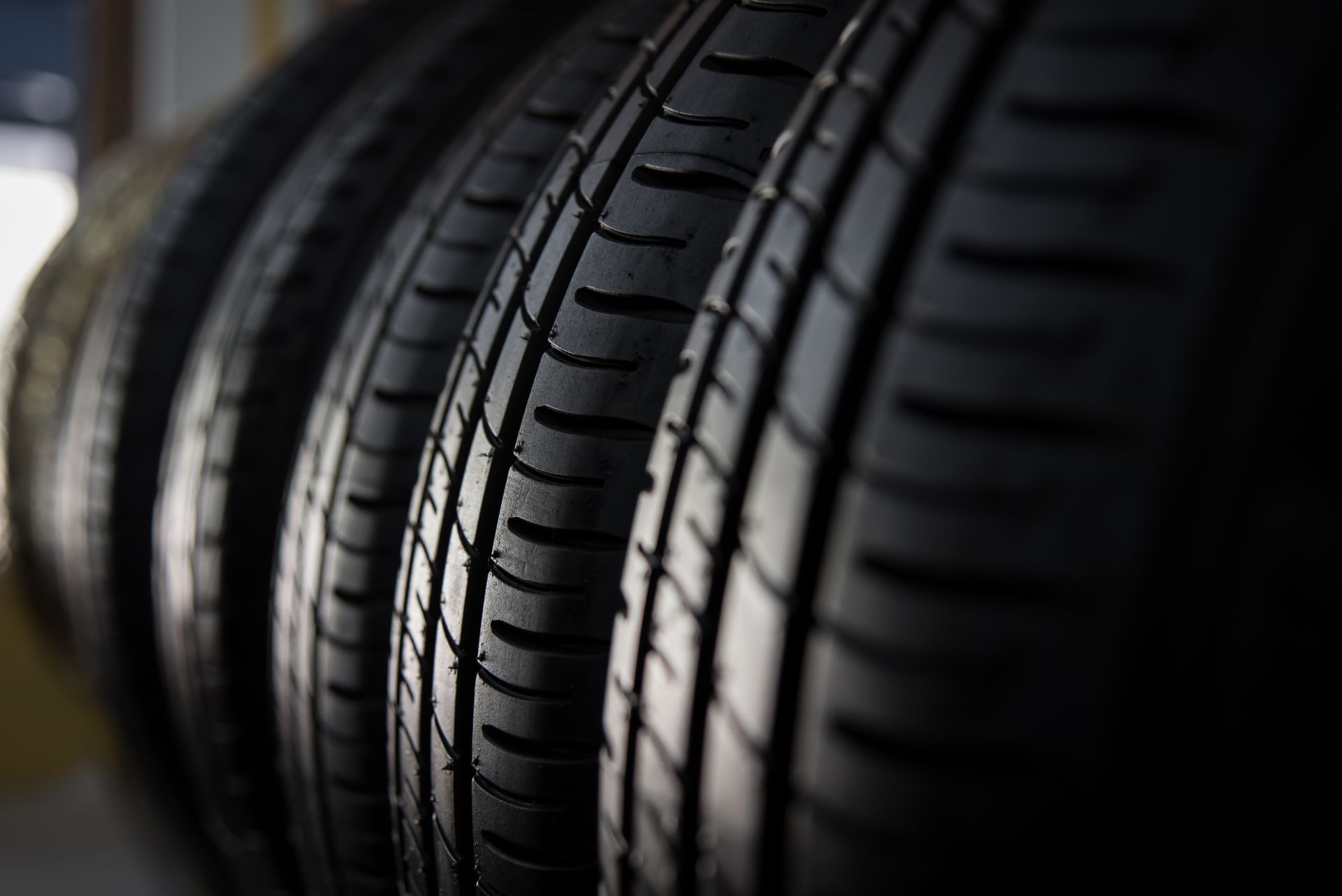
What Sets a Correct New Tire Installation Apart
New tire installation involves several steps that are easy to shortcut but visible in the outcome. After mounting, each tire needs to be inspected for proper bead seating—the thin indicator line molded into the sidewall should run evenly around the full circumference of both sides at the rim edge. An uneven line means the bead has not seated correctly, and the tire will not hold pressure or perform as designed. Inflation is then set to the vehicle placard specification, which may differ from the maximum pressure printed on the tire sidewall—confusing the two is a common error that leads to overinflation and a harsher ride with reduced contact patch.
After a properly executed installation, the vehicle's handling becomes noticeably more responsive—steering effort reduces, straight-line tracking stabilizes, and braking distances shorten compared to what worn tires deliver. Drivers also often notice that road noise drops significantly, since tread wear exposes the belts and changes how the tire contacts the surface as it deteriorates.
Grave's Tire Service also conducts a visible condition inspection of each wheel and valve stem during installation. Corroded or cracked valve stems are replaced rather than reused—a failed valve stem produces the same symptom as a puncture but is completely preventable at installation time, and it is a detail that gets missed when installation is rushed.
Answers to Common New Tire Installation Questions
The questions below address what the new tire installation process involves, how selection decisions are made, and what to expect once the tires are on the vehicle.
What does load index mean and why does it matter for tire selection?
Load index is a numerical code on the tire sidewall that represents the maximum weight the tire can safely carry at its rated inflation. Selecting a tire with a load index below what the vehicle's loaded weight requires creates an overstress condition that accelerates internal tire breakdown.
How is tire pressure set correctly after new tire installation?
Pressure is set to the specification listed on the vehicle's door placard or owner's manual, not the maximum figure printed on the tire sidewall. The placard value is calculated by the manufacturer to optimize handling, wear, and load capacity for that specific vehicle.
What is checked during the safety inspection that follows mounting?
The inspection confirms bead seating consistency around both sidewalls, verifies that valve stems are structurally sound and not cracked or corroded, and checks that wheel hardware is torqued to specification so wheels seat properly against the hub.
Why does replacing tires in pairs or as a full set matter for vehicle performance?
Significant tread depth differences between tires on the same axle create uneven grip, which affects how the vehicle responds during braking and cornering. Most manufacturers recommend matching tires across each axle at minimum to maintain balanced handling.
How do tread patterns affect daily driving performance on the roads around Carthage?
Symmetrical tread patterns work well on highway and city driving and offer multiple rotation options. Asymmetric and directional designs offer more specific performance benefits but require correct orientation during mounting—reversing a directional tire negates its drainage and traction design.
Grave's Tire Service helps vehicle owners in Carthage work through tire selection and complete installation with the fitment and inspection steps that support long-term tire performance. Bring your vehicle in for a tire review and get the installation done in a single visit.