
Tires That Keep Commercial Vehicles Working
Commercial tire replacement in Carthage for fleets and heavy-duty vehicles with worn, damaged, or failing tires
Grave's Tire Service handles commercial tire replacement in Carthage for 18-wheelers, box trucks, and fleet vehicles that cannot afford extended time off the road. A worn or structurally compromised tire on a commercial vehicle is not simply a performance issue—it is a safety and operational liability that affects every mile the vehicle runs. Grave's Tire Service works directly with fleet operators and owner-operators to assess tire condition and get the right replacement installed without unnecessary delays.
The replacement process starts with a physical inspection of the tire in question, looking at tread depth, sidewall condition, visible damage, and wear pattern across the contact surface. Uneven wear often points to alignment or load distribution issues that need to be addressed before a new tire goes on—putting a fresh tire on a vehicle with an underlying mechanical problem shortens its service life immediately. Tire selection for heavy-duty commercial applications also factors in load rating and operating conditions, since a tire rated for the wrong load class will wear prematurely and may fail under stress.
Arrange a tire condition check for your commercial vehicle or fleet at Grave's Tire Service to identify what needs replacing before a roadside failure interrupts your operations.
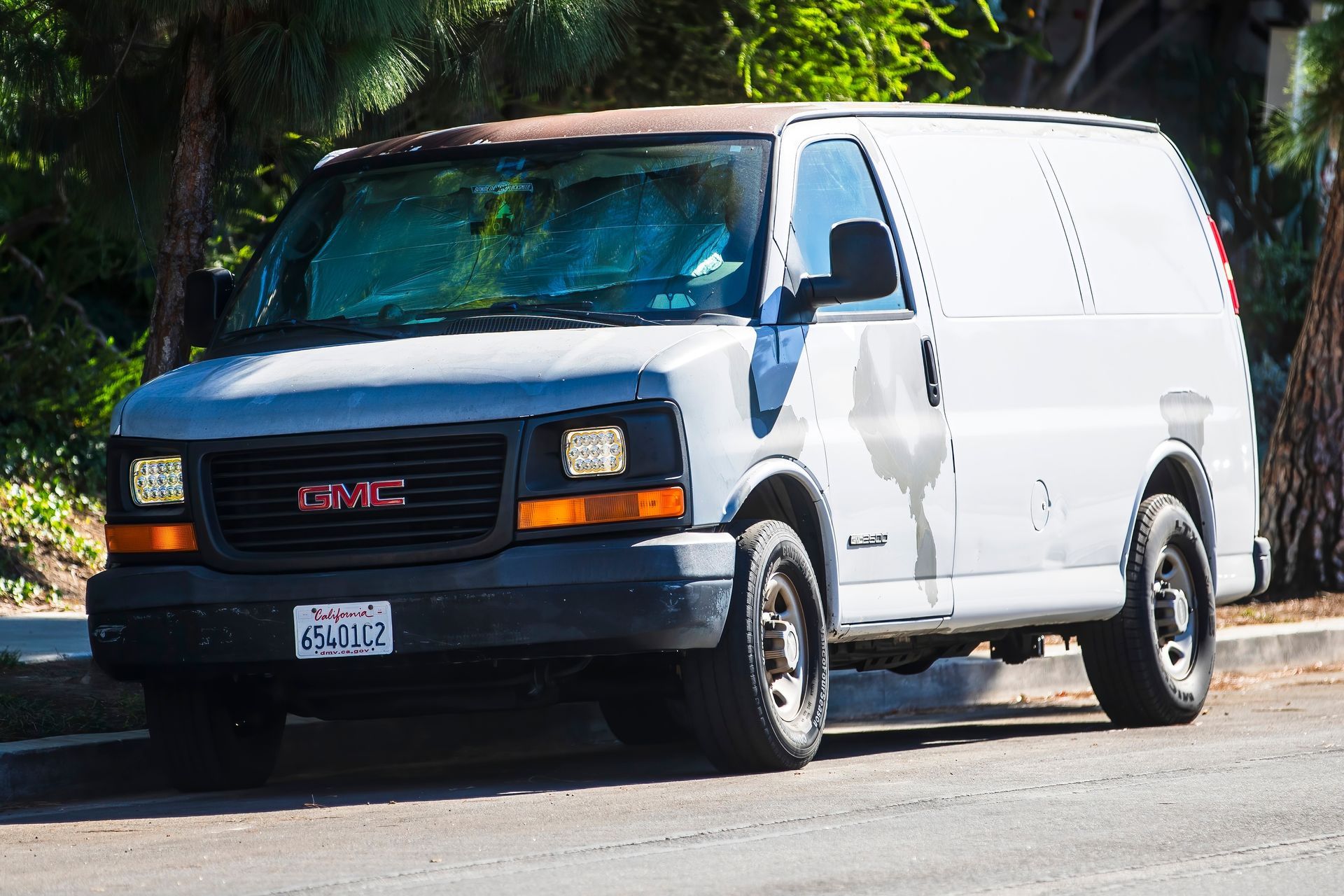
How Commercial Tire Service Reduces Fleet Downtime
Commercial tire replacement involves more than swapping one tire for another. The mounting process on a heavy-duty wheel requires proper seating of the bead against the rim, torque-correct wheel fastening, and inflation set to the manufacturer's specification for that axle position—dual rear configurations carry different pressure requirements than steer axles, and mixing those up affects both tire longevity and vehicle handling. Getting these details right at installation is what separates a tire that lasts through its expected service cycle from one that wears out ahead of schedule.
Once replacement is complete, the difference shows in how the vehicle tracks and how evenly the tire contacts the road surface. A properly seated commercial tire on a correctly inflated axle eliminates the vibration and pull that drivers often report when a worn or improperly installed tire is on the steer axle. Fleet operators also notice more consistent fuel performance when tires are inflated to spec across all positions.
For fleets running multiple vehicles, Grave's Tire Service supports ongoing tire management by identifying wear patterns across the fleet that signal recurring alignment or loading issues—addressing those patterns at the tire service level rather than waiting for individual failures to accumulate.
What Commercial Vehicle Operators Ask About Tire Replacement
The questions below address how commercial tire replacement works and what to expect during the process, based on the conditions and vehicle types commonly serviced in Carthage.
What wear patterns indicate a commercial tire needs immediate replacement?
Tread worn below safe depth, feathering across the contact patch, or exposed cording on the sidewall all indicate replacement rather than continued service. Diagonal or one-sided wear patterns suggest the tire has been running under an alignment or load problem that also needs correction.
How does load rating affect which replacement tire is selected?
Every commercial tire carries a load index rating that corresponds to the maximum weight it can support at rated inflation. Selecting a tire with a lower load rating than the axle requires creates a structural mismatch that accelerates wear and increases failure risk under full load.
What happens during the mounting process for a heavy-duty commercial tire?
The old tire is broken down off the rim, the rim is inspected for damage or corrosion that could prevent proper bead seating, and the new tire is mounted and inflated in stages to seat the bead fully before reaching final operating pressure.
How do dual-rear tire configurations affect replacement decisions?
When one tire in a dual configuration fails, the condition of its paired tire needs evaluation—a significant size or wear difference between the two creates uneven load sharing that strains both the better tire and the axle components.
What should fleet operators in Carthage track to manage tire replacement proactively?
Recording mileage at each tire rotation and noting wear pattern changes across service intervals helps identify which vehicles have alignment or suspension issues that are consuming tires faster than normal, allowing targeted repairs before replacement costs accumulate.
Grave's Tire Service works with fleet operators and individual commercial vehicle owners throughout Carthage to keep vehicles properly equipped and road-ready. Request a fleet tire evaluation or bring in a single vehicle for a thorough tire condition assessment before your next run.